500 Hood Road, Suite 320Markham ONL3R 9Z3
What looks like a minor roof leak in an office building can in fact be the first visible sign of a much larger problem. A quick patch of caulking may seem like an easy fix, but leaks are often symptoms of deeper failures in the roofing assembly. When these are ignored, the damage spreads silently, compromising insulation, ceilings, and even structural components. By the time the impact becomes obvious, repair costs and business disruption are already multiplying.
From damaging stored inventory to fostering mold growth and even weakening structural elements, roof deterioration poses a serious risk that cannot be postponed. In commercial settings, delaying repairs magnifies both direct and indirect costs, often reaching into the thousands of dollars. Industry studies show that every dollar invested in preventive roof maintenance and timely repairs can yield up to four times the savings over the life of the system.
Every dollar you spend on preventive roof maintenance and repairs can result in 4x more savings in the long term. This aligns with guidance from the U.S. Environmental Protection Agency, which emphasizes that preventive maintenance helps avoid costly repairs, extend building system life, and protect occupant health.”
This article outlines the hidden financial consequences of deferring commercial roof repairs and presents practical measures you can take to protect your property and reduce long-term expenditures.
Commercial low-slope roofs are complex assemblies, where membranes, insulation layers, flashings, drainage systems, and structural decks must work together as one integrated system. Unlike pitched residential roofs, where localized failures are usually easier to detect and contain, even a small breach in a commercial roof can allow water to migrate laterally through insulation and remain concealed for months. This hidden movement makes problems far more difficult to trace and repair, while the damage quietly spreads to other areas of the building.
What begins as a seemingly minor roof issue can quickly develop into multiple interrelated problems, including:
Mold Advancement: Moisture intrusion creates conditions for mold growth within insulation, drywall, and ductwork. This not only impacts occupant health but also forces expensive remediation of HVAC systems and interior finishes.
Extensive Water Damage Leaks can travel unnoticed across large roof areas, eventually infiltrating ceilings, walls, and insulation. Left untreated, this water damage often extends to electrical and mechanical systems, multiplying the cost of restoration.
Loss of Energy Efficiency Water-saturated insulation loses its thermal resistance, forcing HVAC systems to operate inefficiently. Over time, this results in significantly higher utility bills, often exceeding the cost of early intervention.
Structural Deterioration Persistent moisture exposure corrodes steel decks, rots wood structures, and accelerates freeze–thaw damage in concrete. These conditions transform a routine repair into a major structural rehabilitation.
Safety and Liability Risks When leaks reach interior spaces, they can damage sensitive equipment, ruin stored inventory, or create slip hazards for occupants. These incidents open the door to liability claims and disrupt normal business operations.
The visible damage caused by a roof leak is only part of the problem. Each month that repairs are delayed, hidden costs continue to build. In many cases these indirect costs exceed the price of proactive maintenance.
Delaying roof repairs leaves critical areas of a building exposed to water infiltration. Once leaks spread into storage rooms, offices, or production areas, the result is not only damaged equipment and documents but also forced shutdowns. Even short periods of downtime translate into lost productivity, missed deadlines, and dissatisfied tenants or clients. For businesses that rely on uninterrupted operations, the financial losses from these interruptions often exceed the cost of the roof repair itself.
A small membrane defect or flashing failure may seem manageable at first, but once moisture migrates into insulation and decking the damage accelerates. Saturated insulation loses its function, and localized patching becomes ineffective. At that stage, roof replacement is the only viable option. In Canadian cities, commercial roof replacement typically costs between 12 and 30 dollars per square foot, with mid sized projects often exceeding 100,000 dollars. This level of expense is the direct result of deferred maintenance and can be avoided with timely intervention.
Escalating Energy Expenditures
Moisture damaged insulation quickly loses its thermal resistance. Even small saturated areas reduce the overall energy performance of the roof system and force HVAC equipment to operate inefficiently. Studies show that energy waste from wet insulation can increase heating and cooling costs by 15 to 25 percent each year, often surpassing the cost of a timely repair.
Insurance and Warranty Risks
Insurance policies and manufacturer warranties usually require that roof systems be inspected and maintained. If leaks are neglected, claims may be denied and warranties may be voided, leaving the owner responsible for major costs. Even when coverage remains in place, insurers often raise premiums when maintenance is deferred.
Health, Safety, and Liability ConcernsOngoing leaks foster mold growth, compromise indoor air quality, and increase risks to occupant health. Water infiltration in occupied areas also creates slip hazards and can damage electrical systems. These issues elevate liability exposure and may trigger regulatory concerns if not corrected promptly.

Partnering with building envelope specialists is essential to protect commercial investments and reduce long-term costs. For more than three decades, Accent Building Sciences Inc. has supported clients across Canada, with a strong focus in Ontario, by delivering professional roof condition assessments, design specifications, contract administration, and quality assurance. Our role is to provide independent expertise that ensures roofing systems are designed, maintained, and managed for maximum service life and performance.
Our team employs advanced technologies, including infrared thermography, moisture testing, and enterprise-grade drone inspections capable of capturing high-resolution imagery and thermal data across large roof areas with exceptional accuracy. These tools allow us to identify hidden deficiencies quickly and safely, even in areas that are difficult to access by traditional means.
From initial condition assessments to detailed design, tendering, construction review, and quality assurance, ABSI delivers complete consulting services for commercial roofing projects. Our independent expertise, supported by advanced diagnostic technologies, allows building owners to manage their roofing systems strategically, extend service life, and control long-term costs with confidence.
Ready to take the next step in protecting your roof investment? Contact ABSI today to schedule a consultation with our experts.
Maintaining the structural integrity of a commercial building is vital for ensuring safety, longevity, and compliance with regulations. A commercial building assessment plays a key role in this process and typically includes a comprehensive review of the structure's current condition and any potential areas of concern that could impact its structural integrity.
But what exactly is involved in the comprehensive reviews, and how can you ensure your building remains structurally sound?
A commercial building assessment is a comprehensive evaluation of a building’s physical condition conducted by professional engineers. The assessment covers multiple aspects to provide a detailed picture of the building’s health. Key components of a commercial building assessment include:

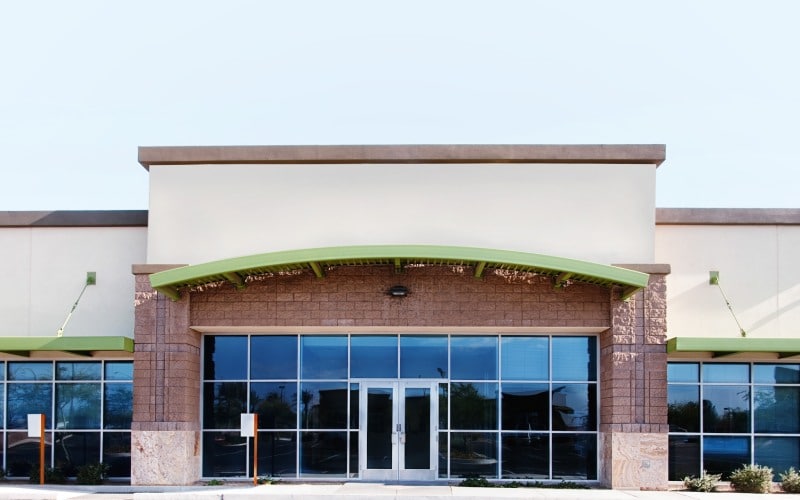
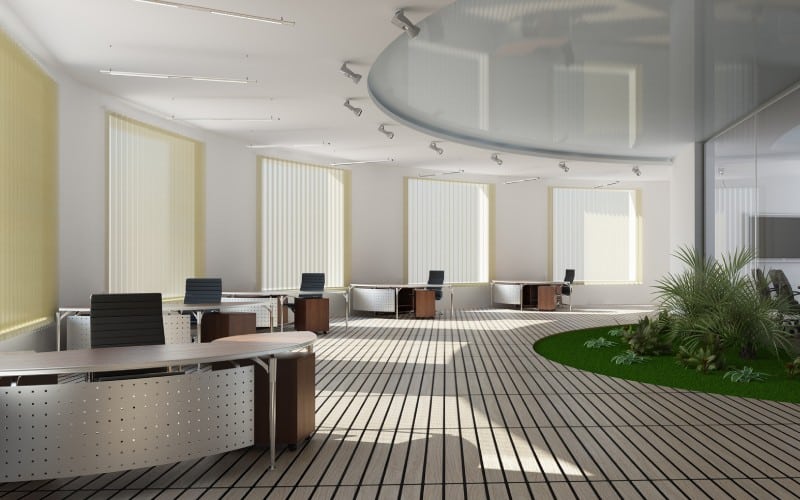
Any type of commercial building requires a building assessment to ensure the safety and well-being of occupants, that it meets regulatory requirements, and that any issues are identified that need to be addressed to maintain the building's integrity. This includes buildings such as office buildings, retail buildings, shopping centres, industrial buildings, schools, hospitals, clinics, multi-residential, etc. Not only can building assessments help ensure that these facilities meet all regulatory standards and provide a safe environment for occupants and staff but also that they are accessible for customers or employees with disabilities.
Keeping your building structurally sound requires proactive maintenance and periodic evaluations. To ensure the long-term durability and safety of your property, consider the following:
Conduct professional inspections annually or biannually to identify and address potential issues early. Include specialized inspections for systems like roofing or HVAC
Have cracks, leaks, or other damage repaired as soon as they are identified. Delaying repairs can lead to costly structural issues down the line.
Establish routine maintenance schedules for HVAC, plumbing, and electrical systems. Regular upkeep improves system efficiency and prevents breakdowns.
Ensure proper drainage systems to avoid water damage to the foundation. Use weather-resistant materials for exposed parts of the building.
Upgrade outdated systems or materials to improve safety and energy efficiency and ensure that your building meets current code requirements.
Keep detailed records of inspections, repairs, and maintenance services. This helps in planning future work and can be valuable during property transactions.
Hire licensed inspectors and engineers, such as Accent Building Sciences, for assessments and repairs. Our specialized expertise ensures thorough evaluations and high-quality work and results.

If you own a commercial property in need of an assessment in Canada, Accent Building Sciences can help. A commercial building assessment is more than a regulatory requirement - it’s a proactive measure that protects your investment. By uncovering hidden issues and ensuring compliance with building codes, these assessments help avoid costly repairs, potential legal liabilities, and safety risks.
Maintaining your building’s structural integrity not only provides peace of mind but also preserves the property’s value and ensures it remains a safe, functional space for occupants. Whether you’re planning renovations, selling the property, or simply prioritizing safety, regular assessments are an indispensable part of responsible ownership.
Taking the steps to safeguard your commercial building’s structural integrity starts with a simple call. Contact us today to speak to an experienced engineer.
When it comes to maintaining the aesthetic appeal and structural integrity of a commercial property, balcony restoration is an essential task. To ensure a successful restoration project, it’s crucial to first have a professional assess the damage and determine the scope of work needed. This may include repairing cracks, repainting or replacing damaged railings. This is where the use of high-quality materials is of utmost importance they should be suitable for outdoor use and be able to withstand harsh weather conditions. Hiring a professional contractor with experience in balcony restoration is highly recommended to ensure work is done correctly and safely. Plus, investing in regular maintenance and inspections can help prevent costly repairs in the future.
If your balcony is experiencing wear and tear such as cracks, rust, peeling paint, or loose railings, these issues not only detract from the overall aesthetic of the balcony but also compromise its structural integrity and the safety of the occupants. If it’s older, hasn’t been maintained properly or has been subjected to harsh weather conditions, it may require restoration services, particularly if there are signs of water damage, rust or mold growth. These issues should be addressed promptly to prevent further damage and potentially dangerous conditions for employees and customers. Consulting with a professional engineer can help assess the extent of the damage and determine the best course of action for restoring the balcony, as well as help you determine the best materials to restore your balcony with.
The type of materials will depend on the unique composition of the balcony. One common method for restoring a concrete balcony, for example, is by resurfacing. This involves applying a layer of concrete or a specialized concrete resurfacer that can help repair cracks and create a smooth, even surface. Before applying the resurfacer, it is important to thoroughly clean the surface and repair any cracks or damage to ensure the new layer adheres properly. In some cases, it may be necessary to completely remove the old concrete and pour a new slab. This is a more involved process, but can result in a more durable and long-lasting balcony. After applying the new surface or pouring a new slab, it’s important to properly seal and waterproof the balcony to protect it from future damage. This involves applying a waterproofing sealant or installing a drainage system to prevent water damage.

When it comes to commercial balcony railing options, a few things need to be considered. The right railing can add elegance, safety, and functionality.
This is one of the most popular options because of its durability, corrosion resistance, and ease of maintenance. It’s also highly ideal for high-traffic areas.
This is another popular option for commercial balconies that offer unobstructed views and a contemporary look, allowing customers and employees to enjoy their surroundings. They’re also easy to clean and are weather-resistant, so their appearance will hold strong for many years to come.
This type of railing is lightweight, durable and cost-effective, making it a practical choice for commercial spaces. Plus, they come in a variety of colours and can easily be customizable to suit any architectural style.
If you’ve been considering adding a balcony to your commercial space but are either lacking space or are concerned about the safety aspect, a Juliet balcony can be a great addition. This ornamental balcony is typically located on the upper floors of a building with a railing or balustrade projecting from the wall. They’re mainly meant for decorative purposes, not to stand or sit on, however, they offer several benefits - they add a touch of elegance and charm to the exterior of the building, making it more appealing to customers, clients, and visitors, they provide a great vantage point for people to enjoy the view, they can create a more pleasant and relaxing environment, and they allow for natural light and fresh air to flow into the building. Overall, they can be a great addition to a commercial space, whether it’s a retail store, office building, or a restaurant.
Every balcony should always meet safety codes and regulations to ensure the well-being of employees, customers and visitors to prevent accidents and injuries. They need to be designed and constructed in compliance with building codes and standards set by local authorities which includes using high-quality materials, ensuring proper structural support, and implementing safety features such as railings and barriers. Regular inspections are also essential in ensuring that balconies remain a safe and secure environment for everyone.
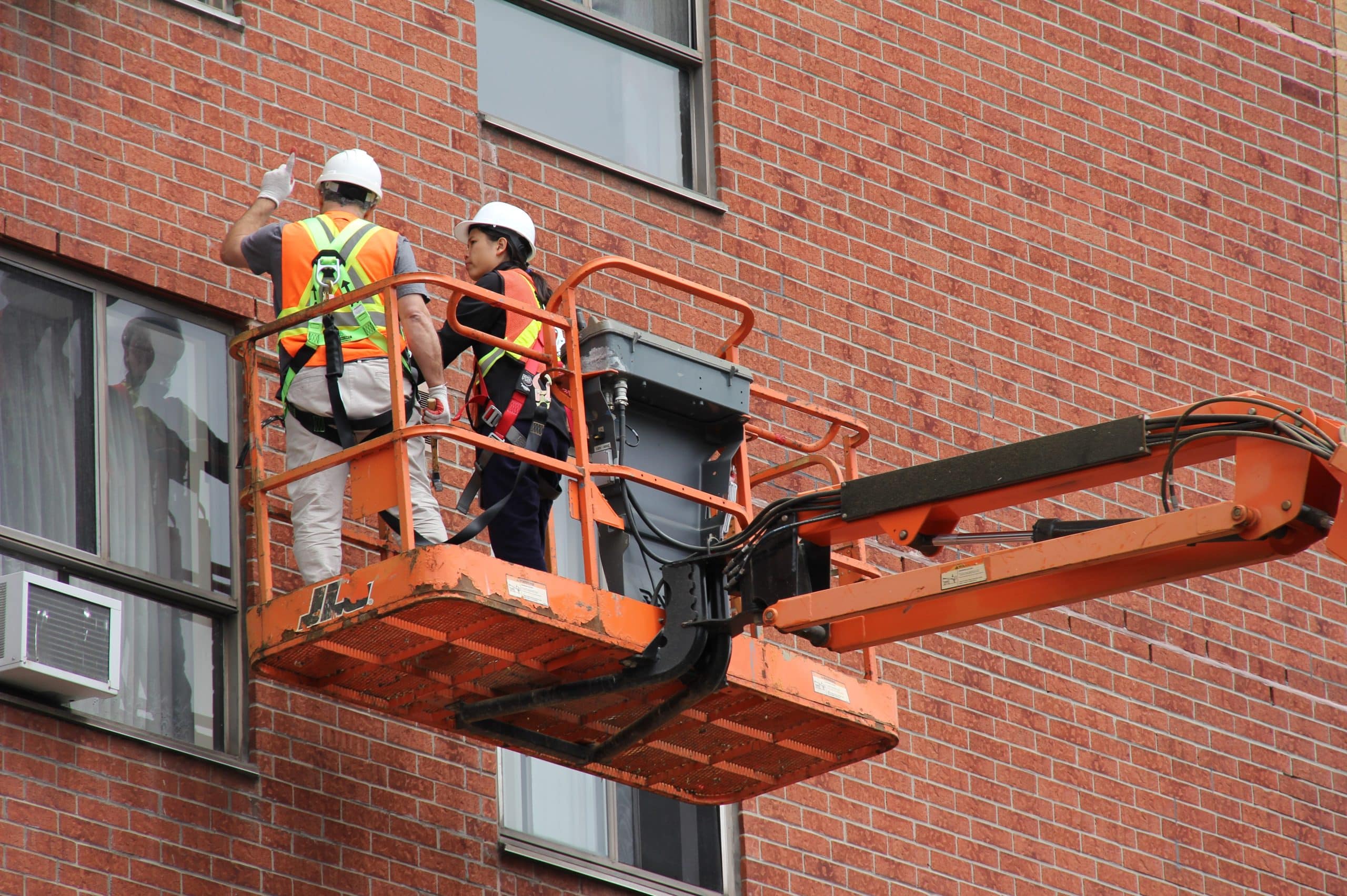
If you require professional assistance, our Building Sciences engineers are available. For 30 years now, we’ve been working with municipalities, community organizations, and private-sector clients by providing our expertise in investigations, design, and construction project management for roofing, windows, building envelope, and underground garages as well as performing audits, energy saving reviews, reserve fund studies and capital planning.
As a commercial property owner, it is essential to protect your building investment; it is the foundation of the income you receive as a result of that property. The real estate value of it is significant, as well as the income generated from it.
As a result, ensuring the longevity, safety, and value of commercial properties is paramount. Building condition assessments are valuable tools to help with this, providing owners with vital insights into the state of their assets. However, more than just the owner benefits from comprehensive commercial building condition assessments.
Building condition assessments, carried out by qualified professionals, provide a thorough evaluation of a commercial property's structural, mechanical, and operational aspects, surpassing basic inspections to scrutinize all components including structural integrity, mechanical systems, electrical installations, and building envelope. Through visual inspections, non-destructive testing, and historical data analysis, these assessments facilitate strategic decision-making for proactive maintenance, targeted renovations, and effective risk management.
Building condition assessments are vital for maintaining and enhancing the value and safety of commercial properties. They uncover existing deficiencies and potential issues, providing stakeholders with critical information so concerns can be addressed before they become costly problems. Regular assessments preserve marketability, attracting quality tenants and commanding higher rental rates, to help commercial buildings retain or increase market value. Additionally, they ensure safety by complying with regulations, and identifying hazards like structural weaknesses or fire risks, thereby contributing to a secure environment and instilling confidence among tenants and visitors.
Building owners and property managers are likely to benefit most from these assessments, saving them time, making their jobs easier, and saving them money.
For building owners and managers, building condition assessments are indispensable tools for strategic planning and asset management, offering detailed insights into their property's condition, they can prioritize maintenance activities, allocate resources efficiently, and plan renovations strategically. By addressing maintenance needs proactively, owners can extend the lifespan of their assets, reduce operational disruptions, and enhance overall tenant satisfaction.
Furthermore, comprehensive assessments enable owners to make data-driven decisions regarding capital expenditures and budget allocations. By identifying areas requiring immediate attention and forecasting future maintenance requirements, owners can optimize their plans for their commercial buildings and maximize returns on their properties.

The group that benefits most, other than owners and managers, are the occupants of the commercial building.
Beyond financial considerations, building condition assessments have a profound impact on the safety and well-being of building occupants and the broader community. By identifying safety hazards, such as structural deficiencies or environmental contaminants, these assessments ensure compliance with health and safety regulations, mitigating risks and preventing accidents.
Furthermore, maintaining a high standard of safety and comfort enhances the overall quality of life for occupants, fostering a positive reputation for the property and its management. Whether providing adequate lighting, maintaining ventilation systems, or ensuring accessibility for individuals with disabilities, building condition assessments contribute to creating inclusive and welcoming environments for all.
Ensuring the safety and comfort of building occupants enhances the reputation of the property and its management. Satisfied tenants are more likely to renew leases and recommend the property to others, reducing vacancy rates and maximizing rental income for the owner. Additionally, a positive reputation for prioritizing occupant safety can attract high-quality tenants, further enhancing the property's desirability and long-term profitability.
Insurance companies and lenders also stand to benefit significantly from detailed building condition assessments. By gaining a thorough understanding of a property's condition and potential risks, insurers can accurately assess the level of coverage required and tailor insurance policies accordingly. This results in more precise pricing models, reduced claims exposure, and improved underwriting accuracy.
Similarly, lenders leverage building condition assessments to evaluate the collateral's value and assess the associated risks. A comprehensive understanding of a property's condition allows lenders to offer financing terms that align with the asset's risk profile, thereby minimizing default risks and enhancing the overall stability of their loan portfolios.
By supporting insurance companies and lenders with better documentation, assessments also indirectly help building owners. By enabling owners to implement measures to minimize risks through better information, these assessments reduce the likelihood of insurance claims or loan defaults. Moreover, detailed documentation resulting from assessments serves as valuable evidence in case of insurance claims or disputes, strengthening the owner's position and potentially expediting the claims process.
Real estate developers and investors rely on building condition assessments to make informed decisions regarding property acquisitions, development projects, and investment strategies. By conducting thorough due diligence assessments, they can identify potential risks and opportunities associated with a property, enabling them to negotiate favourable terms and mitigate unforeseen liabilities.
Moreover, detailed assessments provide developers with insights into renovation possibilities and value-add opportunities, allowing them to optimize their investment returns and enhance the property's marketability. Whether it's repurposing underutilized spaces, upgrading outdated infrastructure, or implementing energy-efficient technologies, building condition assessments serve as a roadmap for maximizing the asset's value and profitability.
Comprehensive records of assessments, maintenance, and renovations enhance a property's marketability and value during sales or seeking investment. Well-documented maintenance histories and evidence of proactive upkeep attract buyers and investors, indicating reduced risk and higher potential of returns. These assessments can optimize exit strategies and maximize financial returns on commercial real estate investments.

For the full range of benefits for stakeholders, a building condition assessment needs to be both comprehensive and value-added, offering meaningful insights and actionable recommendations. At ABSI, our certified Building Science Specialists deliver precisely that. Our assessments go beyond surface-level evaluations, providing in-depth analyses and long-term breakdowns of a property's condition. Our reports are tailored to offer critical insights, empowering stakeholders to make informed decisions regarding maintenance, renovations, risk management, and investment strategies. With ABSI's expertise, stakeholders have the information needed to maximize the value, safety, and longevity of commercial properties.
The buildings we work and live in play a crucial role in our daily lives. They shelter us from the outside elements and make us more comfortable, but they also affect our health. As knowledge of health-related factors increases, awareness of how buildings can impact occupant health also increases.
One key aspect that significantly influences the health of building occupants is the design and construction of building envelopes and roofing systems. A well-designed building envelope and efficient roofing system along with proper ventilation can contribute to a healthier indoor environment and overall well-being for those residing or working within. Good waterproofing, insulation, and other elements of the building envelope all contribute to a safer and healthier environment.
One of the primary functions of a building envelope is to regulate indoor temperature, creating a comfortable living or working environment. An optimal building envelope, equipped with high-quality insulation materials, can effectively control heat transfer between the interior and exterior. This results in improved thermal comfort, maintaining indoor temperatures within a desirable range throughout the year. Furthermore, roofing systems that incorporate reflective materials can mitigate heat absorption, reducing the heat island effect in urban areas as well as creating a more comfortable environment.
The insulation benefit becomes particularly significant in scenarios where external heating sources, such as central heating systems or electricity, are unavailable or compromised, such as during power outages or extreme cold weather events.
Adequate thermal comfort is vital for occupant health, as extremes in temperature lead to discomfort. Excessive heat can lead to heat stress and other heat-related illnesses or respiratory problems, while cold temperatures can lead to hypothermia, which can occur in temperatures as high as 10oC and other cold-related conditions.
By minimizing the impact of high temperatures, these roofing solutions contribute to a more comfortable living environment and help prevent heat-related health issues.
The quality of indoor air is a critical factor influencing occupant health. Poor indoor air quality can lead to respiratory problems, allergies, and other health issues. Optimal building envelopes play a significant role in preventing the infiltration of outdoor pollutants, such as dust, pollen, and pollutants from vehicle emissions. High-quality windows and doors, along with proper sealing of gaps and cracks, contribute to airtightness, reducing the entry of external pollutants.

Additionally, roofing systems can impact indoor air quality by preventing water leakage and mould growth. A well-designed roofing system with proper drainage mechanisms helps to avoid water infiltration, which can lead to the development of mould and mildew. Mould spores, when present in indoor air, can trigger respiratory problems and allergic reactions. Maintaining a watertight roofing system helps to protect a building’s occupants’ health against potential hazards from indoor air contamination.
As the frequency and intensity of extreme weather events increase, resilient building envelopes and roofing systems become essential for occupant safety and well-being. Climate-resilient designs can protect occupants from the adverse effects of extreme temperatures, storms, and other natural disasters. Well-constructed roofs that can withstand heavy rainfall, strong winds, and other weather extremes help ensure the safety and health of occupants.
Mental health is important. Access to natural light has been linked to various health benefits, including improved mood, increased productivity, and better sleep patterns. Optimal building envelopes incorporate features, such as large windows, skylights, and light-reflective surfaces to maximize natural light penetration into interior spaces. This not only reduces the dependence on artificial lighting but also contributes to a healthier and more pleasant indoor environment.

In addition to natural light, providing occupants with views of the outdoors has been associated with positive health outcomes. Access to green spaces and natural scenery can reduce stress, enhance cognitive function, and contribute to overall well-being. Many hospitals and healthcare institutions have started to incorporate building designs to maximize natural light and views to take advantage of this effect. Through carefully designed building envelopes that consider the placement of windows and openings, occupants can enjoy the psychological and physiological benefits of connecting with the external environment.
Good natural lighting can also help prevent eye strain and headaches if glare is avoided.
Prioritizing energy-efficient building envelopes and roofing systems not only benefits the environment but also contributes to improved occupant health. These buildings consume less energy, reducing greenhouse gas emissions and air pollution for better outdoor air quality and community health. Additionally, energy-efficient structures typically feature advanced ventilation with a steady supply of fresh air. This removes indoor pollutants for optimal indoor air quality, creating a healthier environment for occupants.
Advancements in knowledge about both health and optimal building design, plus improvements in building technologies and practices have made it possible for building owners to take significant, proactive steps to protect occupants. Integrating innovative technologies and sustainable design practices is critical for enhancing their overall quality of life.
ABSI offers building envelope and roofing engineering consulting services, helping building owners have optimal building envelope systems to protect the health of their occupants. From design planning to ongoing inspections and maintenance planning, we ensure you have the tools you need to make informed decisions.
Owning a condo in Ontario comes with its own set of financial responsibilities, one of which is understanding the role of reserve funds and reserve fund studies. These aren't just financial jargon; they're essential tools that ensure your condominium corporation is prepared for the future. Let's unravel the complexities together.
Imagine you're setting out on a road trip. You wouldn't just hop in the car without a map, some snacks, and a playlist, right? Similarly, a reserve fund study serves as your essential guide for the financial journey of your condominium corporation. This isn't just a stack of papers; it's a meticulously crafted plan that outlines how to allocate funds for the upkeep of your building's shared spaces — those all-important common elements like the roof, elevators, and even the garden residents love to stroll in.
A well-executed reserve fund study is an owner’s financial shield against life's curveballs. It prevents waking up one day to a hefty special assessment fee for emergency roof repairs, or something similar.

Think of the reserve fund as your condominium's safety net. It's not just a legal requirement in Ontario; it's a financial cushion for major repairs and replacements. Without adequate reserve funds, you could be hit with a special assessment, a one-time charge that no condo owner wants to face.
In Ontario, a condo reserve fund is primarily used for the repair or replacement of common elements. These can range from the roof and elevators to the parking garage and even the swimming pool. The reserve fund ensures that these elements are always in top condition, enhancing the quality of life for all residents.
Common elements are the shared parts of a condominium that all residents use. The reserve fund study provides a timeline for their replacement. For instance, it will specify when the roof is likely to need a major repair and how much it will cost. This way, the condominium corporation can plan and allocate funds accordingly.
Picture this: You're at a café, and the barista offers you two types of coffee. One is a rich, full-bodied brew that's been carefully crafted, and the other is a quick, no-fuss cup of joe. Both serve the purpose of caffeinating you, but the experience and depth of each are worlds apart. The same goes for reserve fund studies.
A comprehensive reserve fund study is the full-bodied brew of financial planning for your condominium corporation. Conducted every three years, this study is a thorough examination of both the financial status and the physical condition of your building. It's the gold standard, offering a detailed roadmap for long-term planning. It scrutinizes everything from the wear and tear on the communal gym equipment to the expected lifespan of the building's HVAC system.
On the flip side, there's the update without a site visit. Think of this as your quick cup of coffee. It's less detailed but still packs a punch when it comes to valuable insights. This type of study is generally an update to the comprehensive study and is often conducted in the intervening years. While it may not involve a physical inspection, it updates the financial projections and gives a snapshot of where things stand.
Your contribution to the reserve fund is part of your monthly condo fees. It's calculated based on the findings of the reserve fund study, which outlines the estimated costs for major repair and replacement projects. The more accurate the study, the less likely you are to face unexpected costs.
A professional reserve analyst is the expert who conducts the reserve fund study. They assess the current condition of common elements, estimate their lifespan, and calculate the costs for future repairs and replacements. Their expertise ensures that the reserve fund is adequately funded and well-managed.
A notice of future funding is a heads-up to condo owners about upcoming major expenses. It's a way for the condominium corporation to keep residents informed and prepared for any financial adjustments that may be needed.
A standard reserve fund study includes a physical analysis of the common elements and a financial analysis of the reserve fund. It also provides a funding plan that outlines how much needs to be contributed to cover future expenses. This comprehensive document is a must-have for every responsible condominium corporation in Ontario.

Understanding reserve funds and reserve fund studies is crucial for every condo owner in Ontario. These tools not only ensure the financial stability of your condominium corporation but also safeguard your investment. By staying informed and actively participating in your condominium's financial planning, you're not just a resident; you're a vital part of a community that's well-prepared for the future.
And there you have it—a comprehensive guide to reserve funds and reserve fund studies in Ontario's condominium corporations. It's not just about understanding the terms; it's about taking an active role in your community's future. After all, knowledge is power, and in this case, it's also peace of mind.
There are many common issues that parking garages tend to face. Many of these common issues become worse over time, and end up causing structural damage. This also shortens the lifespan of various components of parking structures, and underground parking garages overall.
Being aware of common concerns, and how to prevent them from becoming significant issues, is important for property managers.
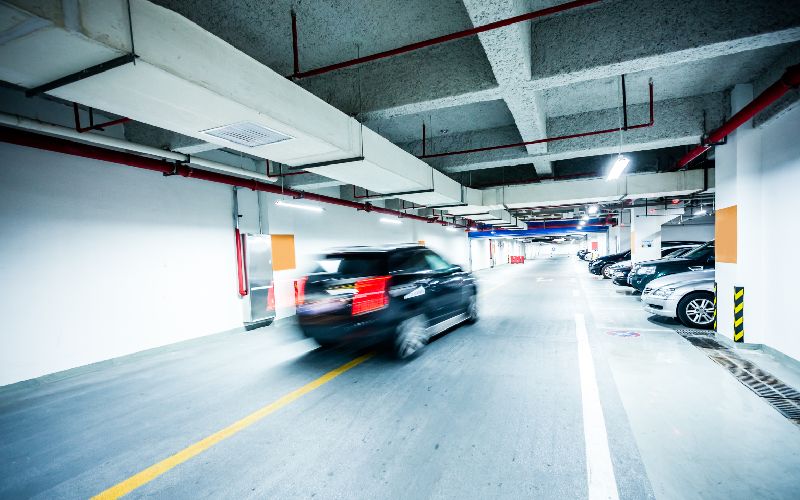
Underground parking garages generally don't go below two levels, since they are more complex in their requirements for structural support. This is why they are initially more expensive to build, but also why additional ongoing inspections, maintenance, and care is needed. They support the buildings on top, and need to have full structural integrity, while dealing with issues like groundwater and shoring that above-ground parking structures don't need to cope with.
The consequences of any issue in an underground parking lot is more significant, so it's important to address any issues as soon as possible.

Damage due to vehicle collisions can cause surprisingly significant damage to any parking lot, and when the damage occurs underground, it becomes even more of an issue. When a vehicle hits a pillar trying to fit into a tight parking space, or contacts the wall, any damage needs to be assessed.
Vehicle fluids can also cause premature deterioration.
Making sure there is enough lighting and that directions are clearly marked will help. Also, pillar protection, reflective taping on pillars, and ensuring parking spaces allow enough room all reduces the likelihood of damage.
Water damage is a major concern for underground parking garages. Over time, waterproofing membranes deteriorate or become debonded, allowing leaks which lead to moisture damage.
What's worse is that as waterproofing degrades and allows leaks, chemical processes occur that make further degradation happen. Carbonation contamination happens when carbon dioxide reacts with moisture in concrete creating calcium carbonate and lowering the pH levels. This will detach waterproof layers, to aggravate the situation.
Without the waterproofing layers, you can experience visible leaks of varying sizes. As water gets into any cracks in concrete slabs, walls, and elsewhere, this can lead to rotting of certain materials, as well as mold and mildew. If a leak is significant enough, it can create standing water, which poses safety concerns.
Salt in the water leads to chloride contamination which will corrode the reinforcing steel in concrete. This weakens the steel and makes it expand, so it then cracks the concrete. The resulting delamination becomes worse over time and creates significant concerns about the integrity of the structure.
To address this issue, it's important to have professional inspections to identify any concerns at the earliest possible stage. Relying on visibility of leaks to identify issues, and assuming that because there are no moisture marks or seepage through that there isn't a problem is a dangerous practice. Professional inspections can identify moisture damage concerns to your property before these visible signs are apparent. Repairs are more cost effective at these earlier stages.
It's also important to consider replacing waterproofing whenever undergoing renovations, repairs or maintenance to an underground parking structure. Since waterproofing degrades and may not have been applied properly, and since renovations and repairs in the area can damage membranes, it's a best practice to assess and replace waterproofing every time work is being done. In addition, your parking structures may benefit from improved new technologies in waterproofing.
Concrete deterioration is a very common issue, and will need to be well-maintained and repaired as necessary. Delamination, debonding, leaching, scaling, and several other issues that affect the integrity of the concrete are all common concerns in underground garages.
Many of these issues are related to moisture damage and salt contamination. Preventing leaks that allow moisture to seep in is essential. It's also important, when damage is noticed, not to simply complete superficial repairs.
Repairing the surface of concrete makes it appear better, and it can be easy to ignore the possibility of greater concerns underneath.
Property managers should be aware of concealed deterioration mechanisms; a professional inspection can help identify any deterioration that is not visible to the eye, and identify critical preventive maintenance or repairs needed.

Corrosion of steel reinforcements is another one of the most common causes of premature damage and deterioration in underground garages, and another significant issue because of the impacts to the safety of the structure. If rebar is visible, it is a sign of a major issue. Significant repairs are needed for these situations.
Similarly to concrete, moisture is the key culprit, so improving waterproofing efforts and regular inspections for potential moisture concerns is important.
Proper maintenance of an underground parking garage will minimize deterioration for a longer lifespan. Reducing moisture and salt exposure is key.
Avoid using salt products, including calcium chloride and sodium chloride, which corrode materials, and use sand or other alternative options for ice.
Be aware that even if your property doesn't use salt, it gets tracked in by vehicles, and can be dissolved in any water that leaks through. Therefore, even if you don't use salt, it is still recommended to power wash parking structures and decks to remove damaging salt and other chemicals, including vehicle fluids, before they can be absorbed into concrete. Be sure to also flush and clean drains and pipes, and replace any damaged ones.
Inspecting an underground parking structure, and having a comprehensive maintenance plan, helps identify needed preventive maintenance and repairs. More cost-effective maintenance is prioritized and completed before expensive repairs, replacements and closures are required. It ensures work actually gets done, too. A professional assessment is not only a convenience, but it also ensures hidden issues are identified.
ABSI offers professional engineering services for underground parking lot rehabilitation, to help you get the most out of your parking garage. We explain why work is needed, and prioritize maintenance and repairs for better budgeting.

500 Hood Road, Suite 320Markham ONL3R 9Z3