Accent Building Sciences (ABSI) company logo with red maple leaf and building icon

What looks like a minor roof leak in an office building can in fact be the first visible sign of a much larger problem. A quick patch of caulking may seem like an easy fix, but leaks are often symptoms of deeper failures in the roofing assembly. When these are ignored, the damage spreads silently, compromising insulation, ceilings, and even structural components. By the time the impact becomes obvious, repair costs and business disruption are already multiplying.

From damaging stored inventory to fostering mold growth and even weakening structural elements, roof deterioration poses a serious risk that cannot be postponed. In commercial settings, delaying repairs magnifies both direct and indirect costs, often reaching into the thousands of dollars. Industry studies show that every dollar invested in preventive roof maintenance and timely repairs can yield up to four times the savings over the life of the system.

Every dollar you spend on preventive roof maintenance and repairs can result in 4x more savings in the long term. This aligns with guidance from the U.S. Environmental Protection Agency, which emphasizes that preventive maintenance helps avoid costly repairs, extend building system life, and protect occupant health.”

This article outlines the hidden financial consequences of deferring commercial roof repairs and presents practical measures you can take to protect your property and reduce long-term expenditures.

How Minor Roof Issues Escalate

Commercial low-slope roofs are complex assemblies, where membranes, insulation layers, flashings, drainage systems, and structural decks must work together as one integrated system. Unlike pitched residential roofs, where localized failures are usually easier to detect and contain, even a small breach in a commercial roof can allow water to migrate laterally through insulation and remain concealed for months. This hidden movement makes problems far more difficult to trace and repair, while the damage quietly spreads to other areas of the building.

What begins as a seemingly minor roof issue can quickly develop into multiple interrelated problems, including:

Mold Advancement: Moisture intrusion creates conditions for mold growth within insulation, drywall, and ductwork. This not only impacts occupant health but also forces expensive remediation of HVAC systems and interior finishes.

Extensive Water Damage Leaks can travel unnoticed across large roof areas, eventually infiltrating ceilings, walls, and insulation. Left untreated, this water damage often extends to electrical and mechanical systems, multiplying the cost of restoration.

Loss of Energy Efficiency Water-saturated insulation loses its thermal resistance, forcing HVAC systems to operate inefficiently. Over time, this results in significantly higher utility bills, often exceeding the cost of early intervention.

Structural Deterioration Persistent moisture exposure corrodes steel decks, rots wood structures, and accelerates freeze–thaw damage in concrete. These conditions transform a routine repair into a major structural rehabilitation.

Safety and Liability Risks When leaks reach interior spaces, they can damage sensitive equipment, ruin stored inventory, or create slip hazards for occupants. These incidents open the door to liability claims and disrupt normal business operations.

The Hidden Business Costs of Delaying Commercial Roof Repairs

The visible damage caused by a roof leak is only part of the problem. Each month that repairs are delayed, hidden costs continue to build. In many cases these indirect costs exceed the price of proactive maintenance.

Operational Downtime and Revenue Loss

Delaying roof repairs leaves critical areas of a building exposed to water infiltration. Once leaks spread into storage rooms, offices, or production areas, the result is not only damaged equipment and documents but also forced shutdowns. Even short periods of downtime translate into lost productivity, missed deadlines, and dissatisfied tenants or clients. For businesses that rely on uninterrupted operations, the financial losses from these interruptions often exceed the cost of the roof repair itself.

Possibility of Expensive Roof Replacement

A small membrane defect or flashing failure may seem manageable at first, but once moisture migrates into insulation and decking the damage accelerates. Saturated insulation loses its function, and localized patching becomes ineffective. At that stage, roof replacement is the only viable option. In Canadian cities, commercial roof replacement typically costs between 12 and 30 dollars per square foot, with mid sized projects often exceeding 100,000 dollars. This level of expense is the direct result of deferred maintenance and can be avoided with timely intervention.

Escalating Energy Expenditures

Moisture damaged insulation quickly loses its thermal resistance. Even small saturated areas reduce the overall energy performance of the roof system and force HVAC equipment to operate inefficiently. Studies show that energy waste from wet insulation can increase heating and cooling costs by 15 to 25 percent each year, often surpassing the cost of a timely repair.

Insurance and Warranty Risks

Insurance policies and manufacturer warranties usually require that roof systems be inspected and maintained. If leaks are neglected, claims may be denied and warranties may be voided, leaving the owner responsible for major costs. Even when coverage remains in place, insurers often raise premiums when maintenance is deferred.

Health, Safety, and Liability ConcernsOngoing leaks foster mold growth, compromise indoor air quality, and increase risks to occupant health. Water infiltration in occupied areas also creates slip hazards and can damage electrical systems. These issues elevate liability exposure and may trigger regulatory concerns if not corrected promptly.

Practical Steps You Can Take To Save Roofing Costs Today

ABSI: Protect Your Commercial Roof With Experts You Can Trust 

Partnering with building envelope specialists is essential to protect commercial investments and reduce long-term costs. For more than three decades, Accent Building Sciences Inc. has supported clients across Canada, with a strong focus in Ontario, by delivering professional roof condition assessments, design specifications, contract administration, and quality assurance. Our role is to provide independent expertise that ensures roofing systems are designed, maintained, and managed for maximum service life and performance.

Our team employs advanced technologies, including infrared thermography, moisture testing, and enterprise-grade drone inspections capable of capturing high-resolution imagery and thermal data across large roof areas with exceptional accuracy. These tools allow us to identify hidden deficiencies quickly and safely, even in areas that are difficult to access by traditional means.

From initial condition assessments to detailed design, tendering, construction review, and quality assurance, ABSI delivers complete consulting services for commercial roofing projects. Our independent expertise, supported by advanced diagnostic technologies, allows building owners to manage their roofing systems strategically, extend service life, and control long-term costs with confidence.

Ready to take the next step in protecting your roof investment? Contact ABSI today to schedule a consultation with our experts.

Balconies are exposed to the elements 24/7, so it’s important to ensure it’s well-maintained to prevent structural damage and deterioration. While a well-maintained balcony can enhance the overall appearance and value of a property,  it also serves as an extension of the space and provides a valuable outdoor area for relaxation and entertainment. Secondly, regular maintenance can prevent structural damage and deterioration, ensuring the safety and longevity of the balcony. Neglecting maintenance can lead to costly repairs, the need for complete replacement, or even result in injury to employees or guests.

With Regular Inspections, A Balcony Will Remain Functional, Safe & More

Buildings should have their balconies inspected regularly to ensure the safety of occupants and visitors. As mentioned above, balconies are exposed to various weather conditions and can deteriorate over time, leading to structural issues or safety hazards, but regular inspections can help identify potential problems such as loose railings, cracked concrete, or water damage, allowing for timely repairs to be made before any accidents occur. By staying proactive with balcony inspections, building owners can protect themselves from liability and create a safe environment for everyone who uses the space. Additionally, regular inspections can help prolong the lifespan of the balcony and prevent costly repairs in the future.

Other Preventative Measures to Take to Extend the Life of Commercial Balconies

While regular inspections are one of the most important aspects of extending the life of a balcony, there are a few other steps one can take to reduce wear and tear, prevent damage, etc.

Keep it Clean

Keep the balcony clean and free of debris such as dirt, leaves, and other debris that can cause damage over time. Regularly sweep and clean the balcony to prevent buildup and potential damage. A balcony should also never be cluttered as this can pose a fire hazard. Flammable materials, especially an abundance, will allow the flames to spread quickly and endanger neighbouring properties.

Complete Regular Maintenance Tasks

Perform regular maintenance tasks on the balcony including sealing any cracks or gaps, repainting or staining wood if applicable, and tightening any loose screws or bolts. This routine maintenance can help prevent deterioration, but should also be left to a professional. If you aren’t sure how to complete these tasks or how often, consult with a professional to do so for you.

Clean balcony and free of debris such as dirt, leaves, and other debris

Monitor its Integrity

Monitor the structural integrity of the balcony including any support beams, railings, and stairs. Any signs of instability or weakness should be addressed immediately by a professional to prevent safety hazards and prolong the life of the balcony.

Consider Different Materials

One way to extend the life of a balcony is to consider installing weather-resistant to minimize the impact of weather elements on the balcony. These materials are more durable and require less maintenance as well.

Proper Drainage

Provide proper drainage for the balcony to prevent water accumulation and potential water damage. Ensure that water drains away from the balcony properly to prevent moisture-related issues that can deteriorate the structure over time. If it’s not being thoroughly drained, you should contact a professional immediately.

Not Looking After a Balcony Can Result in Many Dangers

It can’t be stressed enough how important it is to properly maintain and care for a balcony. There are many potential dangers associated with these structures, especially if neglected. A deteriorating balcony means a weakening system, putting employees, residents or guests at risk of collapse, serious injuries or worse. Neglected balconies can also result in pest infestations - pests such as insects, rodents or birds can not only cause damage to the balcony itself but also pose health risks to employees and residents by spreading diseases or triggering allergies.

If someone is hurt due to your negligence as the property owner, you may be held liable for medical expenses, pain and suffering, and other damages. Neglected balconies can also lead to code violations and fines from local authorities.

Regularly inspect and maintain balconies to prevent legal issues and ensure the safety of everyone using them.

Work With Professionals to Maintain the Integrity of Your Commercial Balcony

As a property or business owner, it's crucial to regularly inspect and maintain balconies to prevent legal issues and ensure the safety of everyone using them. By proactively caring for balconies, employees, residents, and guests can enjoy a safe, pleasant outdoor space. For over thirty years, ABSI has assisted property owners and facility managers across Ontario in both the private and public sectors with maintaining, rehabilitating, and renewing their buildings. ABSI's expertise covers a wide range of building types, including multi-residential, commercial, industrial, and institutional properties. They handle all stages of building maintenance, from condition assessments and performance audits to design, planning, and construction administration, focusing on essential areas like roofing, windows, building envelopes, and underground garages. By working with reputable professionals like ABSI, you can ensure your property is properly assessed, maintained, and rehabilitated from the ground up, providing long-term safety and performance for your building.

A commercial roofing condition assessment is a comprehensive evaluation of a commercial building's roofing system, focusing on its long-term performance, maintenance, and potential for improvement. Unlike a standard inspection, it goes beyond identifying immediate issues, delving into the overall condition and lifespan of the roof. It includes a detailed analysis of materials, structural integrity, drainage, and insulation, aiming to provide a strategic plan for roof management

This assessment helps building owners and facility managers make informed decisions about repairs, maintenance, and potential upgrades, ultimately ensuring the roof's durability, energy efficiency, and cost-effectiveness over an extended period.

What Are the Goals of a Roof Condition Assessment?

A comprehensive roof condition assessment aims to meet several important objectives. It aims to assess whether the roof system is effectively fulfilling its designated purpose of protecting the commercial building from the elements and maintaining structural integrity. Secondly, it pinpoints any indications of weakness, vulnerability, deterioration, or potential hazards within the roof system. This includes identifying issues such as leaks, damaged or degraded materials, excessive loading, and areas at risk of structural compromise.

A thorough condition assessment goes beyond identifying problems; it also classifies the required repairs and maintenance tasks and prioritizes needed work to provide a roadmap for roof management. A full assessment aims to ensure the long-term health and optimal performance of the roof, extending the lifespan and reducing the potential for costly repairs or premature replacement.

roofing membrane after rain water drainage

What Does a Roof Condition Assessment Include?

A commercial roof condition assessment completes a thorough evaluation of various crucial aspects of the roofing system. It goes beyond an inspection and encompasses a comprehensive analysis to help property managers and owners make informed, strategic decisions about the building's roofing systems.

An assessment starts with a full inventory of the existing roof systems. This documents the types of materials used, existing insulation, drainage components, and any added features such as rooftop equipment or green roofing elements.

Next, a detailed examination of the roofing materials and systems are completed to determine their current states. The condition of the membrane, flashings, seams, and other critical components are assessed and any signs of damage, wear, or aging are identified.

All deficiencies are identified and documented with details. This includes issues such as leaks, damaged or deteriorating materials, inadequate insulation, and problems with drainage systems. The structural integrity of the roof is examined and evaluated, including the underlying support structure and other components.

Not only are action items identified, but they are prioritized to make the property owner’s planning easier. By distinguishing between immediate repair needs, maintenance tasks, and long-term replacement plans, resources are allocated more efficiently.

A key goal is to estimate the remaining service life of the roof. The roofing systems types and conditions are considered in conjunction with expected weather conditions and other factors, plus the quality of previous maintenance and repairs, to create a life expectancy estimate. Based on this service life estimation, a forecast for the anticipated year of roof replacement can be made.

A detailed cost analysis is also provided, with estimates for maintenance and repair work that may extend the roof's life; this can be compared against budget projections for a full roof replacement.

Proper installation, safety, compliance with building codes, fire regulations, and other requirements are considered. An assessment may also consider sustainability aspects, evaluating whether the current roof or proposed replacement aligns with energy efficiency best practices and green building practices.

At the end, a thorough report of findings and analysis is created, providing an essential tool and resource for property owners and managers to plan for the future and make informed decisions.

green roof top building

What Is the Difference Between a Commercial Roof Inspection and a Commercial Roof Assessment?

It’s critical to know the difference between an inspection and an assessment to understand which you need. The terms are sometimes used interchangeably, so being aware of the two types of roofing service and how they differ is important.

You need to know which you need at a given time, but you also need to be clear on the difference between them when looking for a company to complete one for you. Otherwise, you may unintentionally get an inspection when you need a full assessment. Generally, a roofing inspector may complete inspections, while an engineering firm is required for an assessment.

While both inspections and assessments involve noting the condition and wear on a roof, an assessment is a much more involved process.

Commercial Roof Condition Assessments

Assessments offer a comprehensive analysis, documenting roof design, materials, and conducting testing. The roof's interior system and interior spaces are assessed, too. They include schematics, photographs, and detailed information about a roof's composition and its relationship to other building components. Thermographic imaging to identify heat loss and potential leak areas is often done. Core sampling to determine the number of roofing components, and other destructive and non-destructive testing may be completed.

Because engineers typically conduct roof condition assessments, accuracy and reliability is improved. This provides valuable expertise in building codes and mathematical load calculations for roofing systems and other important aspects for roofing management. It also enables the development of comprehensive, long-term roofing plans, allowing assessments to act as blueprints for necessary work.

Commercial Roof Inspections

On the other hand, roof inspections are visual examinations that quickly identify visible damage and potential leak sources. Inspections provide immediate insights and can be reported verbally or in writing.

During a commercial roof inspection, a professional roof inspector examines critical areas for signs of damage or structural issues, including the roof deck, roof surfaces, membranes, roof vents, metal flashing, gutters, and drainage pipes. Often, a commercial roof inspection checklist will be followed to guide the inspection. Some commercial roof inspections may look at interiors and take samples. 

Issues such as cracks or defects that require attention are noted, but analysis for long-term planning is not included.

When Are Assessments Needed?

Although assessments are beneficial for budgeting and planning at any time, they are especially useful before buying a property and before and after major renovations. They help provide documentation for maintaining warranties or facilitating insurance claims, too.

Benefits of a Commercial Roof Condition Assessment

Comprehensive commercial roof condition assessments offer substantial cost savings and extend the lifespan of roofing systems. 

By identifying and addressing minor issues early on, building owners can prevent major roof damage that require costly repairs or premature replacement. This also minimizes building downtime and associated revenue losses. 

They can highlight opportunities to increase energy efficiency, reducing heating and cooling costs and operational expenses while lowering the building’s environmental footprint.

They also ensure compliance with regulations and safety standards to protect against liabilities, as well as streamline insurance claims. 

Importance of a Good Commercial Roof Condition Assessment

A thorough and accurate roof assessment offers significant advantages throughout the lifespan of both your roof and commercial building. A good assessment provides more valuable information for optimal benefits, allowing property owners to leverage the full benefits of an assessment.

ABSI provides high quality, comprehensive roofing consulting services including assessments and inspections. Commercial buildings and their roofs are major assets; protect your investment and prevent roof problems with superior assessments that give you clear, actionable information.

A commercial flat roof assembly is essential for protecting the building underneath it against the elements and ensuring the safety and comfort of the occupants. Multiple roofing systems need to work seamlessly together for the roof to do its job effectively and efficiently. Regular inspections are needed to help building owners and property managers maintain the integrity and longevity of the roof, and ensure it is in good condition and working as intended. By identifying potential issues early on, these inspections are a valuable tool to prevent costly repairs and extend the lifespan of the roof.

Informal vs. Professional Commercial Roof Inspections

An informal commercial roof inspection, typically conducted by a property manager or other such person twice a year, or after severe weather such as high winds, primarily involves a quick visual scan of the roof's surface and surrounding area to identify obvious damage to the roof. This inspection aims to detect immediate issues for repair and necessary basic maintenance tasks like cleaning debris and gutters to ensure proper drainage. While helpful for prompt identification of visible problems, informal inspections lack the depth and precision offered by professional assessments.

A professional commercial roof inspection should also be performed once or twice a year in addition to any informal inspections. It is a comprehensive evaluation conducted by trained experts with access to specialized equipment. Professionals employ tools such as infrared cameras and moisture meters to uncover hidden problems like moisture infiltration, thermal irregularities, and potential weak points that are not discernible through visual observation alone. This thorough examination provides actionable information for property managers, offering insights into the roof's overall condition and any required maintenance or repairs. It results in a formal report detailing the roof's status, potential issues, and recommended solutions. These detailed reports are invaluable for informed decision-making, budgeting, and long-term maintenance planning, ensuring the roof's longevity and structural integrity while reducing unexpected costs.

When Are Roof Inspections Needed?

The frequency of roof inspections depends on several factors, such as the age of your roof, the type of roofing material used, and the climate in your area. As a general guideline, it is recommended to have your commercial roof inspected at least twice a year, preferably in the spring and fall.

If there are signs of potential damage, an immediate roof inspection is needed; you shouldn't wait for the next scheduled inspection. Visible damage to your roof, or leaks and water damage on the inside of the commercial building mean the roof should be inspected as soon as possible to prevent further damage. 

Benefits of a Regular Commercial Roof Inspection 

Regular inspections ensure issues are noted as they arise, and enables potential issues to be proactively identified before becoming problems. Conducting them regularly ensures you are receiving the full benefit that they offer.

engineer using thermal imager to check temperature heat of solar

Identification of Roof Damage and Wear

Commercial roofs are exposed to various weather conditions and external elements that can cause damage over time. Regular inspections allow you to identify wear and tear, both visible and hidden, that could lead to leaks or structural problems.

Identification of Drainage Issues

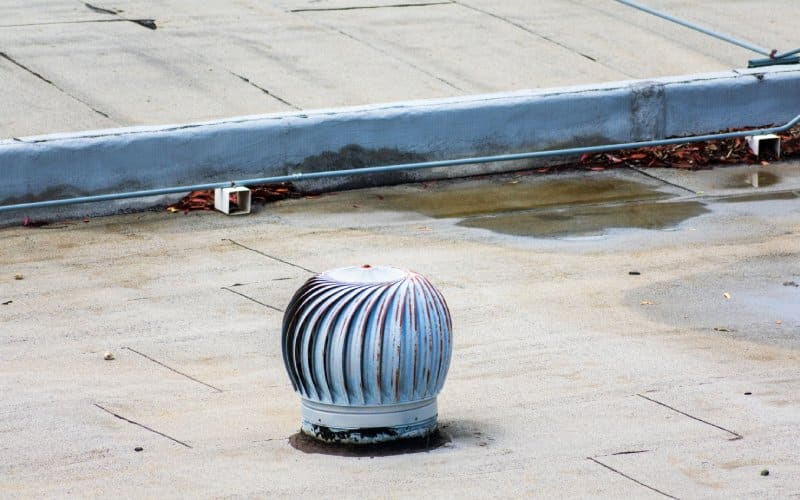
Adequate drainage is essential for a flat roof's health; poor drainage is a common problem, and affects the performance of your commercial roof. 

Regular inspections enable you to identify any drainage issues that can lead to water accumulation and ponding, potential water damage, and structural damage. Addressing these issues ensures proper water flow to avoid long-term roof degradation.

A professional roof inspector can assess poor drainage concerns more proactively, and identify potential leaks before they become major problems. They can also recommend appropriate repairs to prevent further damage. 

Extending the Lifespan of the Roof

By addressing any minor issues early on, regular commercial roof inspections can help extend the lifespan of your roof. Proper maintenance and timely repairs can prevent minor problems from escalating into major issues that may require costly roof replacements.

Ensuring Energy Efficiency

A well-maintained roof is an essential component in energy efficiency. Inspections reveal areas of heat loss and insulation concerns, allowing for improvements that lower energy costs and reduce your carbon footprint. Additionally, it can help provide a more consistently comfortable environment for occupants as it more efficiently maintains a warmer or cooler state.

ponding-water-settled-flat-roof-turbine-vent-flat-roof-industrial

Protecting Better Against Weather Conditions

A well-maintained roof is better equipped to withstand various weather conditions, including heavy rain, snow accumulation, strong winds, and extreme temperatures. Regular commercial roof inspections ensure that your roof remains in optimal condition, so it is ready at any time for severe weather and can protect your commercial property and your occupants.

Saving Money

During regular inspections, professional roof inspectors can identify small repairs that are needed to maintain the integrity of your commercial roof. By addressing these issues early on, you can prevent them from becoming major issues that may require extensive repairs.

Regular inspections also help prevent the need for a complete roof replacement prematurely. By investing in regular maintenance and timely repairs, you can avoid the expense of a full roof replacement for longer, so you get more out of your roof investment.

Reaping the Side Benefits a Professional Roof Inspector Can Offer

Contracting the services of a professional roof inspector, such as an engineering company, will pay off, as you gain access to a wealth of expertise and experience, valuable information about your roof to save money, and other benefits.

Their experience and knowledge in commercial roof inspections ensures that your roof will be assessed thoroughly, and any issues will be identified and addressed properly.

Detailed Inspection Report

Professional roof inspectors have the knowledge and expertise to conduct a thorough evaluation of your commercial roof. They provide detailed inspection reports that outline the condition of your roof, including any areas that require immediate attention or future maintenance.

hands of woman engineer ready for writing technical report about

Ensuring Compliance with Insurance Claims

In the event of roof damage, having a professional inspection report can be valuable when dealing with insurance claims. Insurance companies often require documentation of the condition of your roof prior to the incident. A detailed inspection report from a reputable roof inspection company can help expedite the claims process and ensure you receive the necessary compensation for repairs or replacement.

Expertise in Commercial Roofing Systems

Commercial roofing systems are complex and require specialized knowledge for proper inspection and maintenance. Reputable commercial roofing companies and engineering consulting services have professionals with expertise in commercial roofing systems who can identify potential issues and provide appropriate solutions.

Access to Professional Equipment and Tools

Commercial roof inspections require specific equipment and tools to assess the condition of your roof accurately. Hiring a reputable commercial roofing company gives you access to professional-grade equipment and tools that ensure thorough and comprehensive inspections.

ABSI provides expert roof consulting services. Our expert team will conduct a comprehensive assessment of your roofing system. Any issues, shortcomings, or ongoing leaks will be meticulously documented on a roofing blueprint, with detailed evaluations featured in the annual roof report. We also offer preliminary budget estimates and create a maintenance project plan to promptly address any deficiencies.

Commercial roofs need to protect buildings against the elements and not contribute to any energy inefficiencies. As a commercial building roof reaches the end of its lifespan, it starts to lose its ability to perform its essential functions effectively.

Knowing the expected lifespan of a commercial roof is crucial for budgeting, maintenance planning, and protecting your commercial building investment.

What Is the Lifespan of a Commercial Roof?

The lifespan of a commercial roof is 20-60 years but it might vary significantly based on several factors, including the type of roofing material used, the quality of installation, the climate in which the building is located, and the frequency and quality of maintenance the roof receives.

Roofing Material: Different materials have varying lifespans. For instance:

Modified Bitumen Roofing offers a lifespan of approximately 20 to 30 years.
EPDM (rubber) roofs typically last about 25-30 years.
Metal roofs are known for their durability, often lasting 30-60 years.
TPO and PVC roofs, which are types of thermoplastic roofs, generally have a lifespan of 20-30 years.
Built-up roofs (BUR) and Modified Bitumen roofs can last 20-30 years.

Role of Installation and Proper Maintenance

Proper installation and maintenance are essential to achieve the maximum lifespan of a commercial roof. A well-installed roof provides structural integrity, prevents leaks, withstands harsh weather conditions and other forces. Regular maintenance, including inspections and repairs, addresses wear and tear before it can damage a commercial roof further.

If not both installed and maintained properly, a commercial roof is susceptible to premature degradation, leaks, structural damage, and a shorter life.

Roof Type

The type of roof installed will impact the longevity; this includes roof slope, roofing material,

Roof Slope

Typical commercial roofing is a low slope, or flat, roof. Flat roofs, though cost-effective and versatile, pose greater challenges for drainage. They are more susceptible to water ponding, which can accelerate wear and tear, leading to leaks and reduced longevity. Careful installation and regular maintenance are crucial for flat roof designs to ensure water doesn't accumulate and damage commercial roofing systems.

Roofing Materials and Roof Type

Choosing the right roofing material for your building is essential; below are some common commercial roofing materials and their expected life spans.

Metal Roof

Commercial metal roofing offers durability and longevity, so is a popular flat roof material choice. Various roofing materials that take advantage of metal's strength include steel, aluminum, and copper. Each provides unique properties, benefits, and average lifespans. Steel roofs last 30-45 years, aluminum roofs typically endure 40-60 years, while copper roofs can last over a 100years.

Factors contributing to the length of time that metal roofs last include its exceptional ability to withstand extreme weather conditions and its resistance to fire, pests, and rotting. Reflective coatings improve energy efficiency. A metal roof typically requires less maintenance, so is less susceptible to premature failure due to deferred maintenance.

Built-Up Roofing

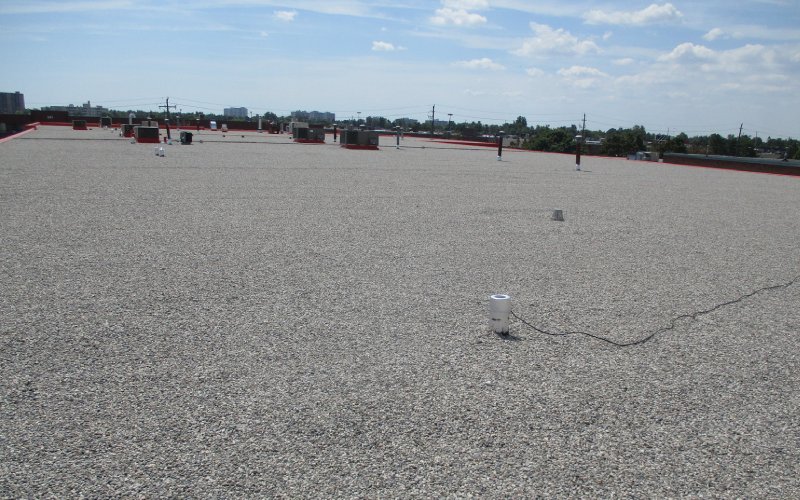
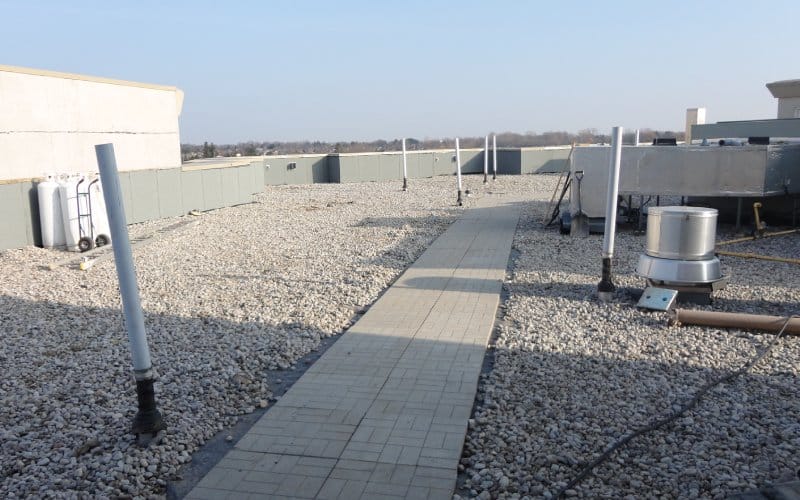
A built-up roofing system uses multiple layers of roofing felt and bitumen, covered with a gravel or mineral cap sheet. This traditional roofing system boasts remarkable durability, making it a popular choice for commercial buildings. These roofs can last anywhere from 20 to 30 years, or potentially longer with excellent ongoing maintenance.

The multiple layers contribute to its durability and resistance to foot traffic and punctures. It can be resurfaced and repaired to help extend its lifespan. It also provides good insulation and UV protection which can help protect underlying waterproofing, membranes, and roofing systems to extend their life spans as well.

Commercial roofing ontario

Modified Bitumen Roofing

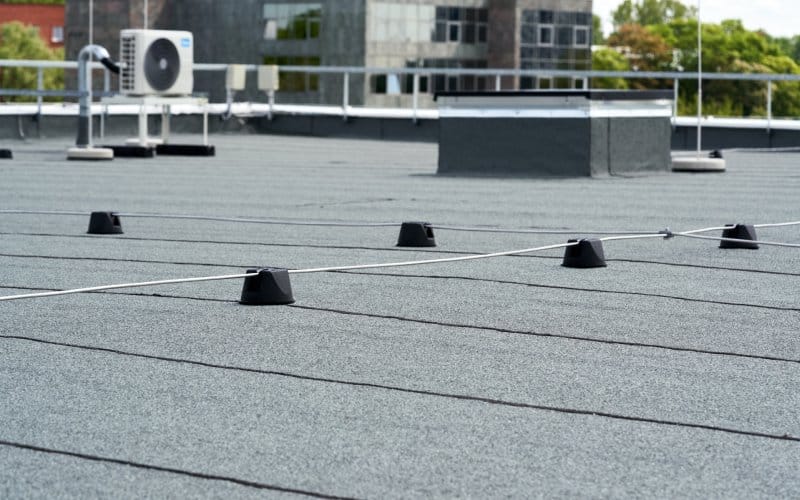
Modified bitumen roofing is an advancement of built-up roofing systems, and features enhanced flexibility and adaptability. This roofing system uses modified asphalt, often reinforced with polyester or fiberglass. Modified bitumen roofs are extremely resistant to weather, thermal shock, and UV exposure and offer a lifespan of approximately 20 to 30 years.

This system can be installed as a multi-ply system for added durability and is good for buildings in regions with severe weather conditions. It is also easy to repair and maintain, increasing the likelihood it will be maintained properly to achieve its maximum lifespan.

Ethylene Propylene Diene Monomer (EPDM) Roofing

Ethylene propylene diene monomer roofing is a single-ply rubber membrane that is affordable and offers a simple system. EPDM roofing generally lasts for about 25 to 30 years with proper maintenance.

It is resistant to ozone, UV radiation, and temperature extremes, with a good ability to withstand hail and wind; all of this helps it last longer without deterioration, and has minimal maintenance requirements.

Thermoplastic Olefin (TPO) Roofing

Thermoplastic olefin roofing is a single-ply membrane that offers high energy efficiency and reflective properties. TPO roofs are highly resistant to heat, UV radiation, and chemical exposure, so are becoming popular for many commercial buildings. The average lifespan of this roofing system ranges from 20 to 30 years.

These roofs are also resistant to algae and mold growth and can be heat-welded for added durability.

PVC Roofing

Polyvinyl Chloride (PVC) roofing is another single-ply membrane option and also offers energy efficiency with durability. These are often chosen for their cool roofing properties. PVC roofs are resistant to chemicals, fire, and UV radiation. When properly maintained, they can last 20 to 30 years or more.

This commercial roof system also provides strong puncture and tear resistance. Welded seams provide additional strength.

flat roof hot air welded pvc

Role of Professional Inspections

A commercial building owner needs to carefully consider specific needs, budget, maintenance requirements, and potential lifespan when selecting roofing systems. Another component is to ensure adequate inspections to assess and identify potential concerns.

Professional roofing inspections are crucial for ensuring maintenance is effective and extending the lifespan of commercial roofs. These assessments identify issues like leaks, damaged materials, and structural weaknesses. By addressing problems early, costly repairs and premature replacement can be avoided. Regular inspections enable timely maintenance and repairs, ensuring the roof's durability and longevity, while also enhancing energy efficiency and safety for the entire building.

ABSI offers roofing consulting services to help commercial business owners get the most out of their low-slope roofing systems, for better longevity.

The roof of a commercial building is its first line of defense against the elements, and its integrity is critical to protect the investments and assets within. Knowing when and how often to replace a commercial building roof is essential to maintain the structural integrity of the building and prevent costly damage and building downtime.

Factors Affecting When Commercial Roof Replacement is Needed

There are many factors which impact how long commercial roofs may last before needing replacement.

Roof Material

The type of roofing material used plays a significant role in determining how long a commercial building roof will last. Each material has its own lifespan and maintenance requirements. For example, EPDM roofing, composed of synthetic rubber, resists deterioration and offers a 20 to 25 year lifespan. PVC roofing, with a higher initial cost, boasts energy efficiency due to its reflective white surface and fire-retardant qualities, and generally lasts 25 to 30 years. TPO roofing, a newer and eco-friendlier choice than PVC, is cost-effective, but only offers a lifespan of 20 to 25 years. Besides single ply roofing, there is the traditional 4-ply built up roof and modified bitumen roofing systems, life cycle of these roofs depends on the initial system design, application and manufacturer warranty programs.

view industrial flat roof windows ventilation

Climate and Weather Conditions

The local climate and weather conditions can have a substantial impact on a roof's lifespan. Intense sunlight, heavy rainfall, ice, extreme temperatures, and severe weather events such as hailstorms can cause immediate damage and speed up deterioration. Ontario's harsh winters and hot summers can mean a roof replacement may be needed sooner.

Commercial Roof Design

The design of the roof can affect its longevity. A well-constructed roof with proper drainage systems can help extend its lifespan by preventing water pooling, which can lead to leaks and structural damage. Many commercial buildings have flat roofing, which can make drainage difficult, so proper design and installation is essential to prevent pooling.

Installation Quality

How well a new commercial roof was installed has a big impact on lifespan. A poorly installed roof may experience premature wear and tear, and require replacement sooner than expected. Hiring an experienced and reputable commercial roofing company for a proper installation is recommended.

Roof Maintenance

Regular maintenance can greatly extend the lifespan of a commercial building roof. Neglecting routine inspections, cleaning, and repairs allow small issues to develop into major issues. A proactive maintenance plan and prioritizing early repairs helps to keep a commercial roof in good condition; professional roof inspections can help with identifying and prioritizing repairs.

Signs a Commercial Roof Needs to be Replaced

There are several signs a roof needs to be replaced, and not simply repaired.

Water stains on the ceiling or walls, as well as persistent leaks, are clear signs that the roof's integrity has been compromised. Water damage can lead to more extensive issues within the building, making timely replacement essential.

If an inspection shows visible roofing material damage, including cracked, bubbling or blistered, curled, loose, or missing roofing materials, the roof has likely reached the end of its lifespan. These issues mean the roof system is no longer able to protect the building and keep out the elements sufficiently. A sagging or bowing roof is a structural concern that requires immediate attention. There may be underlying damage to the roof's supporting structure so a complete replacement is needed.

If you find yourself frequently having to repair the roof, it may be more cost-effective to replace it. Frequent repairs add up, and the overall condition of the roof will continue to deteriorate, making it more costly to keep and repair.

Finally, an aging or damaged roof can lead to poor thermal insulation and increased energy costs. If your utility bills have increased with no other explanation, a commercial roof replacement and enhanced insulation may help.

dried water stain ceiling leak rain

Preparing Ahead for Your Commercial Roof Replacement Needs

Knowing when and how often to replace a commercial building roof is critical. By staying proactive and well informed, you can make better decisions regarding the replacement of your commercial building's roof.

Regular Inspections

Set a schedule of regular inspections to monitor your commercial roof's condition. Professional inspections can identify issues early, allowing for timely repairs or replacement planning.

Budgeting

Replacing a commercial building roof is a major expense. Create a long-term budget that accounts for future replacement costs, based on the anticipated lifespan of your roof.

Consult with Roofing Experts

Consult with a commercial roof consulting firm to assess the current condition of the roof and get a professional opinion on its remaining lifespan. They can provide valuable insights into the best roofing materials and systems for your building to help it last longer, and help with budgeting for the replacement.

Long-Term Planning

Be sure to consider the long-term needs of your commercial property. If you plan to occupy the building for many years, investing in a durable, long-lasting roof is recommended. Also, when planning ahead, stay on top of all relevant local codes and legislative requirements, so you are prepared for any changes.

Average Lifespan of a Commercial Roof

A commercial roof typically lasts an average of about 20 years. However, with high-quality materials and proper installation, it can last for up to 30 years, while lower-quality roofs may require replacement in as little as ten years. If your commercial roof approaches the 20-year mark, it's wise to start considering replacement to prevent further deterioration and costlier repairs.

Also, whenever you encounter any roof damage or problems, assess the extent of the issue. Determine if a simple roof repair fully addresses the issue, or whether a full roof replacement is needed to avoid future concerns? If there are only minor damages, be sure to complete any roof repair as soon as possible, to avoid the roof condition from worsening and needing a replacement after all.

However, if your roof has sustained significant damage, it is better to proceed with a complete roof replacement without delay, or the rest of your building is likely to be damaged.

Accent Building Sciences Inc. offers commercial roof inspection services in Ontario. We specialize in professional roof design, inspection, and specification services for facility owners, commercial clients, and municipalities. We assess roof system performance, vulnerabilities, and repair needs, with accurate, high-quality inspections. We also guide our clients on service life and replacement schedules, so they can make informed decisions, and avoid costly repairs, replacements, and other risks. An inadequate roof assessment may lead to higher costs and safety risks.

Key Takeaways:

  1. Importance of Roof Maintenance: Commercial building owners often overlook the importance of maintaining their roofing systems and flat roofs. Neglecting maintenance can lead to costly repairs, structural risks, and premature roof replacement.
  2. Regular Inspections: Regular inspections, ideally biannually, are crucial for identifying both visible and hidden damage. Early detection and timely repairs significantly extend the lifespan of a commercial roof.
  3. Holistic Maintenance: Maintenance should encompass the entire roofing system, including components that can't be visually inspected. This means addressing indirect symptoms of roof issues and involving roofing professionals for comprehensive assessments.
  4. Storm and Water Damage: After severe storms, watch for loose flashing, standing water, and signs of interior water or moisture damage. Promptly addressing storm-related issues prevents further deterioration.
  5. Documentation: Maintain detailed maintenance logs and document all issues, repairs, and their outcomes. This documentation is valuable for future repairs, evidence of work completed, and liability concerns.
  6. Seasonal Maintenance: Extreme weather conditions stress commercial roofs. Implement seasonal maintenance routines to prepare the roof for challenges ahead. Spring and fall maintenance tailored to the preceding season's conditions is advisable.
  7. Know Your Roof Material: Understand the roofing material used and its maintenance requirements based on climate and building needs. Different materials demand distinct maintenance approaches to prevent roofing problems.
  8. Reducing Loads: Avoid placing unnecessary loads on the roof and keep it clean from dirt and debris accumulation. Regular clearing prevents moisture buildup and mold growth.
  9. Clear Gutters: Maintain clear gutters and drainage systems to prevent water damage and mold growth.
  10. Tree Pruning: Trim trees and bushes to prevent scratches and falling debris that can damage the roof, especially during storms.
  11. Professional Help: Engaging roofing professionals for inspections, assessments, and repairs is crucial. Regular maintenance ensures compliance with warranties and minimizes the risk of expensive damages.

Many commercial building owners are unaware of how important good care of their commercial roofing system and flat roof is. It's easy to ignore a roof, since you don't really look at it daily, and it's hard to see the wear and tear.

However, not having regular inspections and not conducting routine maintenance to find and fix minor roof issues early on, before they deteriorate into significant damage, means more costly repairs, risks to structural integrity, and even a premature total roof replacement. Most commercial roofs are designed to last anywhere from 15 to 30 years, but this doesn't mean they don't need maintenance, and they won't last their full term without care.

A commercial roof is expensive, so it makes sense to inspect and maintain it, so you get the most possible use out of it. Below are some roof maintenance tips, to help you make sure you are caring for your flat roof effectively.

Take Care of the Entire Commercial Roofing System

Firstly, be sure you are maintaining your entire roof. Commercial roof maintenance needs to include all elements of roofing systems, including membranes and parts of the system that can't be visually inspected. This means going beyond noting visible signs of damage and repairing them, to looking for indirect symptoms of roof issues, such as water damage. A roofing professional who specializes in commercial roof inspection can help identify areas that need repair and make recommendations.

Commercial Roof Maintenance Tips

Conduct a Biannual Roof Inspection

Conduct a Biannual Roof Inspection

If you are not inspecting your roof for hidden and visible damage, minor issues will go unnoticed, and these little problems will be allowed to deteriorate into major issues. Manufacturers and professional roofing contractor organizations recommend biannual or at least annual roof system inspections, making sure to complete any noted repairs needed, to extend your commercial roof's longevity significantly. Inspecting after the extremes of winter weather and summer heat is best.

Checking for holes, tears, cracks and blisters, as well as other damages or warning signs of issues, like roofing material pulling away, helps identify early damage for timely repairs. Don't forget to check roof flashing, which covers any openings to prevent water leaks, which can deteriorate, pull away, or get punctured. 

A professional inspection helps ensure all potential issues are identified early and prioritized for repair.

Watch for Storm Damage and Water Damage

After severe storms, be sure to check for loose flashing, standing water afterwards, and other signs.

Even if you don't notice anything damaged on your roof, watch for other signs there may be roofing problems, like water or moisture damage on interior walls, including mold and mildew. Don't forget to check ceilings and attics.

Items to Check on Flat Roofs During a Roof Inspection

Roof Structures

Check all flashing, and look at vents, fascias, chimneys, drip edges and other structures. Look for damage and signs of dampness. Repairs are needed if there is any:

Debris and Blocked or Broken Gutters

Check for debris weighing on a roof or blocking the roof’s drainage system, and clear any away as soon as possible. This helps clean the area so that damage can more easily be spotted, as well as acting as preventive maintenance against the issues that wet, rotting, or heavy debris can cause. 

Keep Detailed Maintenance Logs

Good maintenance logs help you keep track of what you have done in the past, but also allows you to predict potential future repairs.  It is useful as evidence of work completed, too, if you are selling your commercial building or for liability concerns. Be sure to include what was inspected, what was received, and what exactly was repaired and how.

Document All Issues and Repairs and Take Pictures of Visible Damage

Take pictures to document leak locations, tears and cracks, and other issues, as well as the condition after repairs. This is a good visual record to track deterioration and effectiveness of repairs.

Complete Roof Repair for Early Signs of Damage

Complete Roof Repair for Early Signs of Damage

Whether you notice issues during an inspection or throughout the year, if damage to your roofing materials, including your roof membrane or any other roofing systems elements, occurs, don't delay necessary repairs; they are more cost effective to repair earlier, and help prevent premature deterioration of your commercial roof.

Seasonal Maintenance for Resilient Roofs

The extremes of summer and winter weather creates stresses on your roof, so seasonal commercial roof maintenance is essential to prepare it for the challenges of the next season. It makes a natural routine for your regular roof inspection to check for damage commonly caused by the conditions of the previous season. 

In spring, remove debris from roofs and gutters, trim back trees. Learn about more spring maintenance tips to prepare for summer here. In fall, look for UV damage and replace or repair compromised materials, and reduce any load on the roof to prepare for winter snow.

Know Your Commercial Roof Material

Commercial property owners should be familiar with the roof material used, and make sure it is suitable for the climate and building needs. You should also make sure you are aware of the specific maintenance recommended for your type of material. Each roofing material type requires different maintenance, so you should develop an appropriate maintenance plan for your commercial building to prevent roofing issues. 

Find out more about roof material choices, and consult with a roofing expert on the best roofing material for your commercial buildings.

Keep Your Commercial Roof Clean and Reduce Unnecessary Loads

Be sure to not store anything on the roof or allow people on it unless necessary to keep loads light. Flat commercial roofs tend to collect dirt and debris that needs to be regularly cleared, to prevent built up loads, trapped moisture and mold growth.

Clear Gutters

As part of ongoing roof maintenance, ensure gutters and drainage systems are cleared regularly, to avoid water damage and mold.  

Prune Nearby Trees 

Tree branches can scratch and fall onto commercial roofs, especially during high winds from a storm. Trimming trees and bushes helps prevent this, as well as reducing the buildup of leaves and debris.

Get Professional Help

Get Professional Help

Keeping to a regular inspection, maintenance and repair program can lead to significant cost savings, and reduce the risks of significant roof damage that can lead to building closures and other inconveniences. It lengthens the roof life expectancy. Regular maintenance is critical to comply with manufacturer's requirements for warranties, and prevents expensive damages that aren't covered.

ABSI can help you with thorough inspections and assessments, making recommendations for repairs, and other services, so you get the maximum life out of your roof.

Contact Us For Any Concerns About Commercial Roofing Maintenance

For any concerns about commercial roofing maintenance. Our expert team is based at 2800 14th Ave, Unit 13, Markham, ON L3R 0E4, proudly serving the Toronto area. To connect with us in Toronto, dial 416-939-0129. If you're in the Durham Region, reach out at 416-871-7453. Count on us for comprehensive building science solutions tailored to your needs.

FAQ:

1. How often should I inspect my commercial roof?

Ideally, commercial roofs should be inspected at least biannually. Inspections after the extreme weather of winter and summer are recommended.

2. Why is early detection of roof damage important?

Early detection allows for timely repairs, preventing minor issues from escalating into major problems, extending the roof's lifespan, and minimizing repair costs.

3. What should I check for during a roof inspection?

Check for holes, tears, cracks, blisters, water pooling, sagging, rotting, corrosion, and any signs of dampness. Inspect all roof structures, flashing, vents, chimneys, and other components.

4. Why is documentation important in roof maintenance?

Documentation helps track past maintenance, predicts potential repairs, provides evidence of work for liability concerns, and aids in monitoring deterioration and the effectiveness of repairs.

5. How does seasonal maintenance benefit commercial roofs?

Seasonal maintenance prepares the roof for upcoming challenges by addressing issues caused by the previous season's weather conditions, helping to prevent future problems.

6. Can I store items on my commercial roof?

It's advisable to avoid storing items on the roof unless necessary. Extra loads can contribute to structural stress and damage over time.

7. What is the significance of gutter maintenance?

Clearing gutters regularly prevents water damage and mold growth, as clogged gutters can lead to water accumulation on the roof.

8. Why is knowing my roof material important?

Understanding your roof material's characteristics and maintenance requirements helps tailor your maintenance plan to prevent specific roofing issues.

9. Can tree branches damage my commercial roof?

Yes, tree branches can scratch and fall onto commercial roofs during storms. Pruning trees and bushes reduces the risk of damage and debris buildup.

10. How can professionals help with roof maintenance?

Roofing professionals provide thorough inspections, recommend repairs, and ensure compliance with warranty requirements. Regular professional maintenance prevents costly damages and extends the roof's lifespan.

Key Takeaways:

  1. Significance of Proper Roofing: Roofs are crucial for protecting buildings from environmental elements. Proper design, construction, and installation are essential for their durability and functionality.
  2. Professional Design and Compliance: Consult professionals for roof design and ensure compliance with building codes and regulations. Basic understanding of the process is helpful even if you're not building the roof yourself.
  3. Choose Appropriate Roof Type: Decide between low-slope (flat) and steep-slope (pitched) roofs based on building type and needs. Flat roofs are common for commercial, industrial, and multi-residential buildings.
  4. Roofing Materials Selection: Choose roofing materials based on climate and environmental factors. Durable materials are crucial for areas with intense natural forces.
  5. Planning and Measurement: Create a detailed plan drawing, including measurements and materials. Accurate measurements are necessary for ordering materials.
  6. Essential Components: Roofing components include sheathing material, vapor retarder, membrane, flashings, trims, sealants, and more. Each element plays a role in the roof's performance.
  7. Vapor Retarder Importance: Proper vapor retarder selection is vital for wind uplift forces and overall roof quality.
  8. Thermal Insulation: Choose thermal insulation with the correct R-Value for energy transfer resistance. Consulting experts is crucial to avoid negative impacts on performance.
  9. Roof Membrane Selection: Roof membrane selection is critical for water intrusion prevention. Membranes vary in types, sizes, compositions, and installation requirements.
  10. Expert Consultation: Consulting professionals is vital for complex decisions like membrane and insulation selection. Incorrect choices can lead to total roof assembly failure.
  11. Expert Installation: Proper installation of membrane flashings and other components is essential. Hiring experienced contractors is crucial for a successful roofing project.
  12. Consider Existing Roof: When replacing a roof, explore the option of building on top of the existing one. Consulting experts can help decide if recovery is feasible.
  13. Consult Professionals: Engage professionals for roof type selection, design, and support throughout the process. Regular inspections and hiring experienced contractors are essential for a successful roof investment.

A roof is an essential part of a building structure. It protects the interior from rain, snow, wind, temperature extremes, and other environmental elements, and has to withstand quite intense forces at times.

Therefore it is important to ensure the roof is designed, built, and installed properly. Roofing is hard work, so it is also important to be prepared for that.

A key first step is to ensure you have the roof designed by a professional and that all required permits and documentation are ready and available, and that everything will comply with national and local building codes. Even if you do not build a roof yourself, it is worth having a basic understanding of the process and concepts. Be sure to choose a roof that is best for your climate, precipitation intensity, sun exposure, and other environmental forces that the roof will need to stand up to.

Building A New Low Slope (Flat) Roof

Accent Building Sciences flat roof membrane inspection and waterproofing assessment services

There are many different types of roofs, but all fall into two categories - Low-Slope (flat), or Steep-Slope (pitched). You will need to decide on a roof that fits your needs and fits the shape, size, and type of building it will cover. As a general rule, flat roofs are the standard for commercial and industrial buildings, whereas pitched roofs are commonly for houses. In this article, we will be focussing on the former.

These actually can have a very slight slope, and may not always be perfectly flat. They are good for commercial, industrial, and multi-residential buildings, as they allow for rooftop spaces and for commercial building design and equipment placement. They are good both in wet and dry climates.

Choose Material

Low Slope roof framework is a roof deck constructed from wood, metal, or concrete, covered with various control layers such as vapour/air/thermal/fire separation/moisture/surface protection, and more. The main protection against water intrusion in a low slope system is the waterproofing membrane (moisture control layer) which can vary from bituminous type to polyvinyl, synthetic rubber, and more. 

Choose roofing materials to suit your climate. Make sure to choose durable roofing material in areas that will have greater environmental and natural forces.

Plan Drawing

Accent Building Sciences professional roof membrane inspection and waterproofing assessment services

You will need to create a plan drawing that includes a diagram of the planned roof. The style, shape, measurements, and materials need to be determined.

Measure and Purchase

The contractor will need to accurately measure and calculate how much material will be needed. Roofing materials must be ordered through specialized suppliers.

You will also need sheathing material like gypsum board, vapour retarder, membrane, flashings, metal trims, and sealants. You may also need roofing accessories, such as nails, fasteners, flashing stacks, drains, scuppers, eavestroughs, downpipes, etc. depending on the exact design of the roof and building.

Vapour Retarder

Vapour retarder is required by code and must be carefully selected to be part of the overall roofing assembly. It also needs to be suitable for installation over the roof deck. In some instances, the entire roofing assembly above the vapour retarder is solely dependent on the quality of vapour retarder installation for wind uplift forces acting on the entire roof.

Thermal Insulation

Resistance to the transfer of heat energy is the main function of the thermal insulation layer in a low-slope roofing system. This is referred to as R-Value. But not all thermal insulation materials have the same R-Value, they vary from low to high and are usually displayed per unit of thickness. Experts such as a professional roof consultant, architect, or engineer will be needed to properly select the right material for your application. One must take extra care not to pick the wrong thermal insulation for the low-slope roof as it will have severe negative effects on the overall performance, longevity and risks. It is always best to leave product selection to professionals.

Membrane

The roof membrane is the component of the roof that protects against water intrusion. In a low-slope assembly, the roof membrane can be placed on top, or at the bottom. A built-up roof will have the roof membrane on top, and an inverted roof at the bottom layer. Selecting the correct roof membrane for your new low-slope roof is the most important part of the entire roof design. Roof membranes come in many different types, compositions, sizes, thickness, number of plies (layers), adhesion types, installation requirements, etc. and choosing one can get complicated and confusing at times for non-professionals. The consequences of using an incorrect roof membrane will result in total failure of the entire roofing assembly, and it is always best to leave it to the professionals.

Correct selection and installation of roof membrane flashings are also important in conjunction with the roof membranes.  

Accent Building Sciences commercial building inspection and condition assessment services

General Tips

If you are replacing an existing roof, you may be able to keep the existing roof and build on top of it. Discuss with a roofing consultant to explore the possibility of recovering.

Consult With The Experts

Consult a professional on the best type of roof for your building and for support through the process. Always get a professional inspection of your roof. Regular, annual re-inspections are recommended, too. Also, hire experienced contractors; a roof is a critical investment.

FAQ:

1. What is the main purpose of a roof? A roof protects a building's interior from rain, snow, wind, temperature extremes, and other environmental elements. It must withstand various forces to ensure building integrity.

2. How important is proper roof design? Proper design is crucial for a roof's durability and functionality. It ensures the roof can withstand environmental pressures and perform its protective role effectively.

3. How do I choose the right roofing materials? Select materials based on your climate and environmental conditions. Ensure the materials are durable enough to withstand the natural forces in your area.

4. What is a vapor retarder? A vapor retarder prevents the movement of moisture through the roof assembly. Proper selection and installation are important for maintaining roof quality.

5. Why is thermal insulation important in roofing? Thermal insulation resists the transfer of heat energy. Correct insulation selection is crucial for energy efficiency and preventing negative impacts on roof performance.

6. How do I choose the right roof membrane? Selecting the right roof membrane is critical for preventing water intrusion. Consider factors like membrane type, size, composition, and installation requirements.

7. Can I build a new roof on top of an existing one? In some cases, it's possible to build a new roof on top of an existing one. Consult with experts to determine if this option is feasible for your building.

8. Why is professional consultation important for roofing projects? Professionals can provide expertise in roof design, material selection, and installation. They help avoid costly mistakes and ensure the roof's longevity and performance.

9. How often should I inspect my roof? Regular, annual roof inspections are recommended to identify potential issues early and maintain the roof's integrity over time.

10. What services does ABSI Roof Consulting offer? ABSI Roof Consulting provides professional roof design, inspection, and specification services for various clients, including building owners, property managers, and municipalities. Their experts have years of experience in designing and managing roofing systems.

ABSI Roof Consulting Services has roof consulting experts with years of experience in designing and managing roofing systems.

We provide professional roof design, inspection, and specification services to facility owners and managers, commercial and municipal clients. Whether you are a building owner, property manager, or municipality, we can help.

Contact Us For Any Concerns About Steps to Building a Roof

For any concerns about the steps to building a roof. Our expert team is based at 2800 14th Ave, Unit 13, Markham, ON L3R 0E4, proudly serving the Toronto area. To connect with us in Toronto, dial 416-939-0129. If you're in the Durham Region, reach out at 416-871-7453. Count on us for comprehensive building science solutions tailored to your needs.

From testing to rehabilitation, our trained specialists can help protect your buildings. Call our engineering firm today to speak to a Building Envelope Consultant.
© 2025 Accent Building Sciences. All rights reserved.
text-align-justify linkedin facebook pinterest youtube rss twitter instagram facebook-blank rss-blank linkedin-blank pinterest youtube twitter instagram